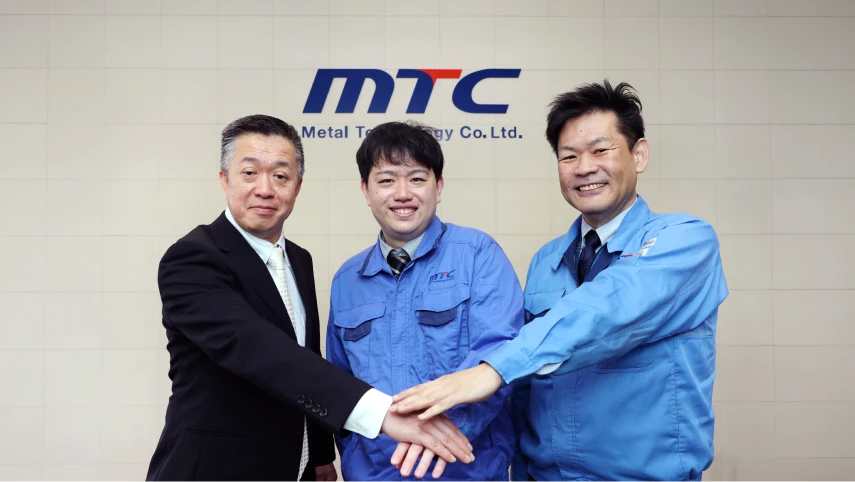
Metal Technology Co. Ltd. (MTC) “Learning Through Challenges and Failures”
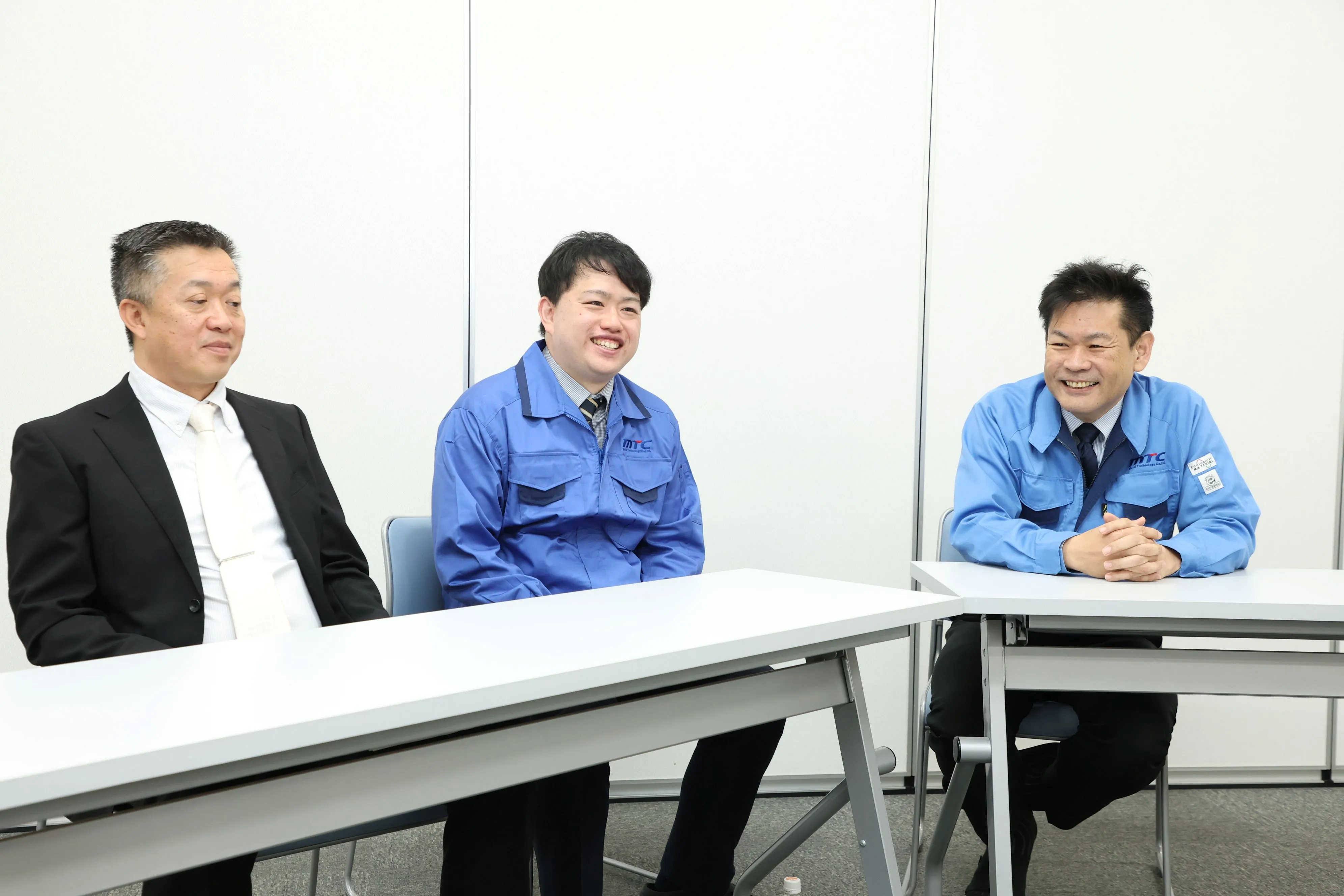
<Discussion Members>
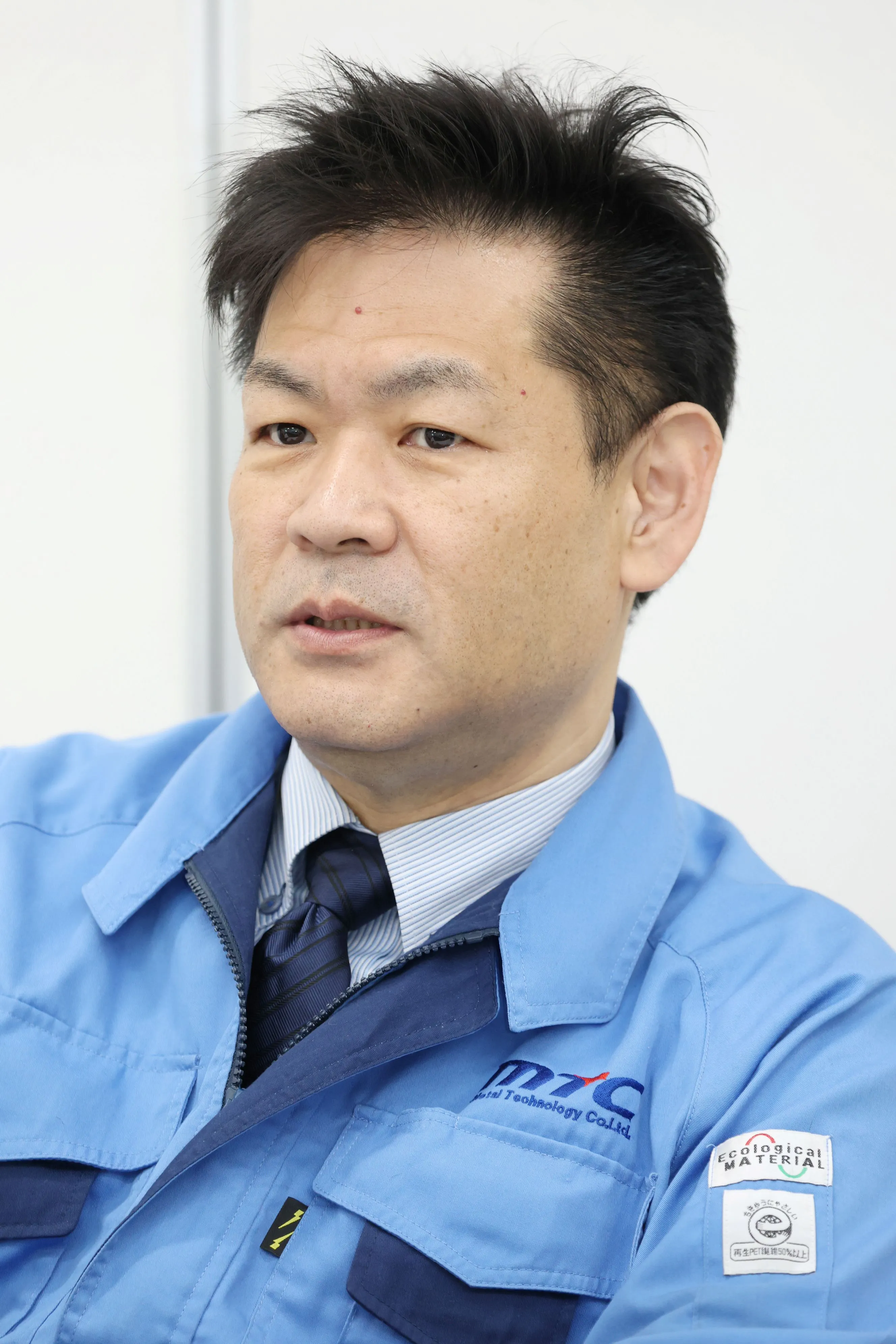
■Sosuke Sasaki Himeji Plant Technical Section
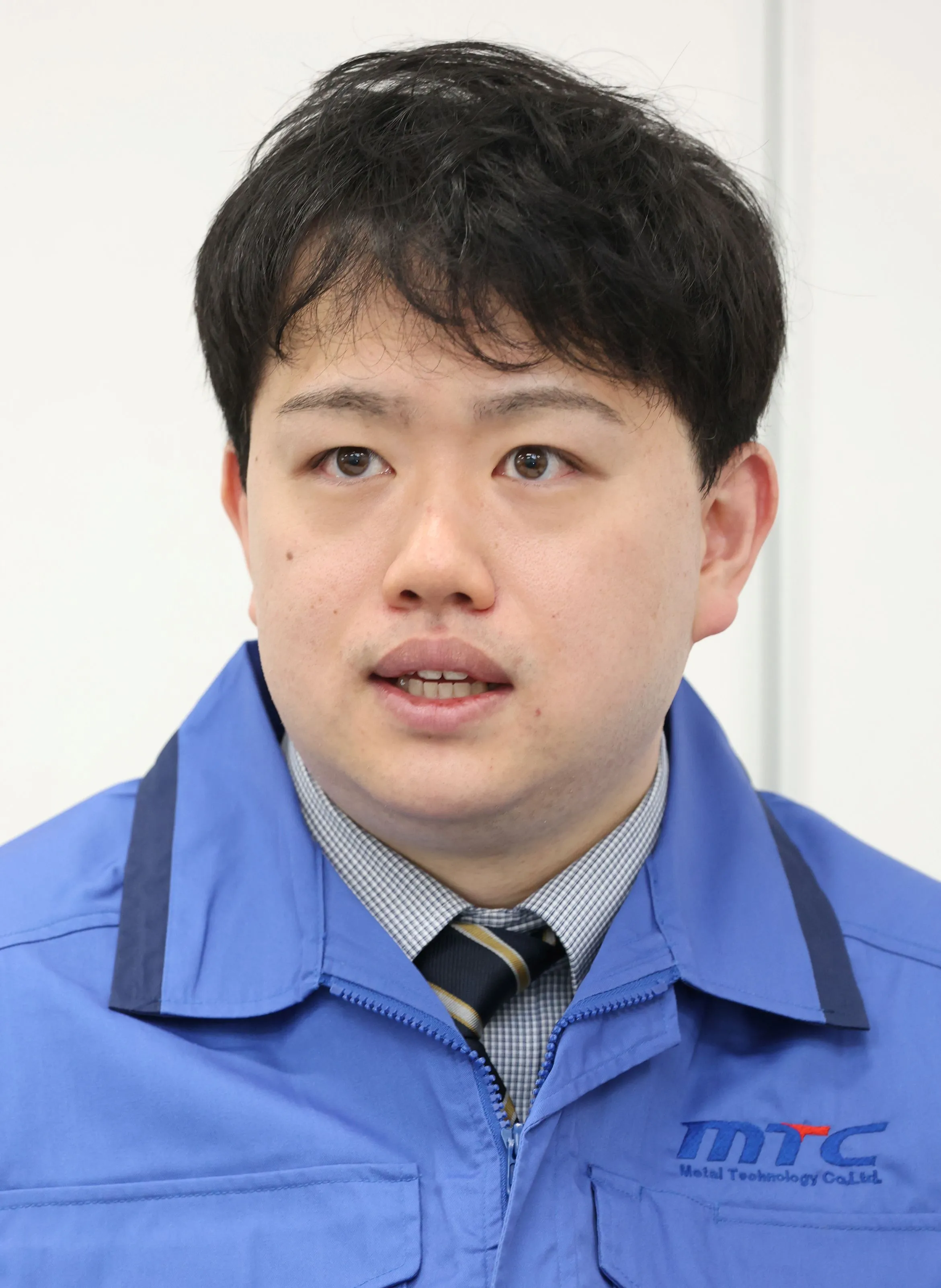
■Yohei Yokoo Himeji Plant Plant Manager
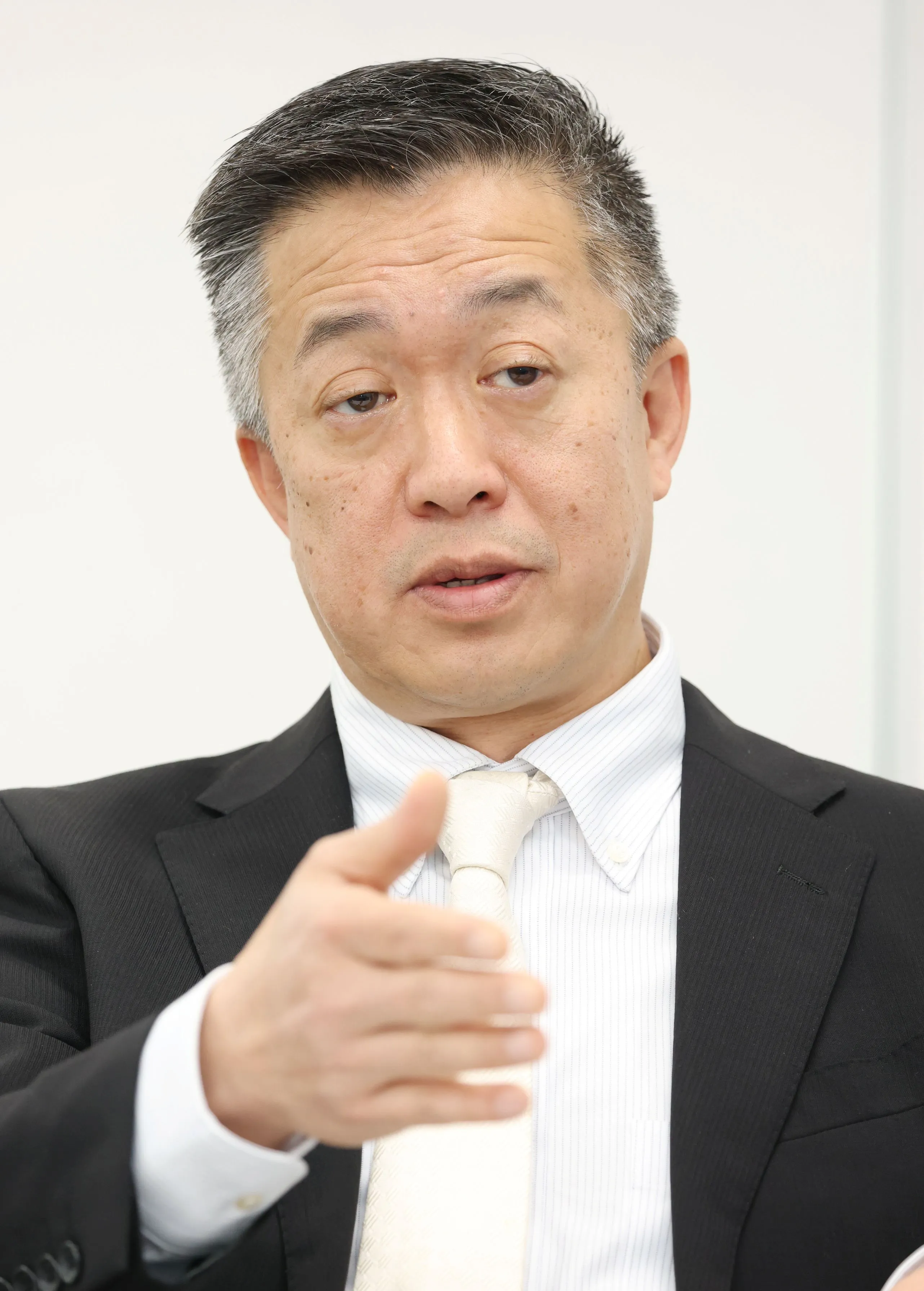
■Yaw-Wang CHAI Technical Development Division R&D Department Innovation Section Researcher (Engineering)
A young engineer from Metal Technology Co. Ltd. (MTC) has made a strong impression on the global stage. Sosuke Sasaki, Chief Engineer of the Engineering Section in the Technical Department at the Himeji Plant, presented his research titled “Effect of Vacuum Degassing and Capsule Heating on HIPed Super Duplex Stainless Steel” at an international conference on Hot Isostatic Pressing (HIP). Tackling a complex challenge at the intersection of advanced materials science and process engineering, his work attracted significant attention from researchers and industry experts both in Japan and abroad. Behind this achievement are two mentors, Yohei Yokoo, Plant Manager of the Himeji Plant with extensive hands-on manufacturing expertise, and Yaw-Wang CHAI, Technical Development Division R&D Department Innovation Section Researcher (Engineering) . The accomplishment reflects not only MTC’s decades of experience in HIP technology but also a corporate culture that encourages young engineers to take on ambitious challenges. In this discussion, the three experts share their perspectives on the response received at the international conference, the core of the research theme, and the future of technological innovation at MTC.
Breaking New Ground
Interviewer: Mr. Sasaki, let me start with you. You were selected to present at the HIP International Conference. How did you feel when you were chosen, and what were your impressions as you prepared for the presentation?
Sasaki: It was a tremendous honor, and I felt it would be a valuable opportunity for my professional growth. Within the company, we hold an internal competition, and the three most outstanding research topics are selected. Once a topic is chosen, a framework is established to support approximately two years of research leading up to the conference presentation.
Although the additional research increased my workload, the members of my department helped adjust and balance responsibilities. I believe our company has cultivated a culture that encourages challenges and supports one another as an organization.
Interviewer: Could we hear some comments from your management team on this topic? What kind of impact could this have on society?
CHAI: There has long been a prevailing belief that if the air inside the capsule is not removed before the HIP process, the trapped air can act as a barrier to densification or appear as oxides, thereby negatively affecting the properties of the metal. However, there was little clear data available to substantiate this theory. Therefore, the objective of our research was to verify it experimentally.
The key finding of this study is that while some of the results supported conventional understanding, other results challenged the established theory. A key point of this presentation is that while some of our findings were consistent with the established theory, we also obtained results that challenge conventional understanding, and we were able to substantiate them with data.
Yokoo: There are currently no domestic or international standards for the degassing process, and many companies has maintained its own know-how internally. If our research findings can be further developed and validated, they may eventually contribute to the establishment of industry standards and guidelines.
The primary target applications of this research are pipelines used in oil and natural gas plants as well as deep-sea oil fields. In these applications, welded joints can become points of weakness. We believe that near-net-shape manufacturing using HIP technology can help reduce such risks.
Furthermore, our research has been internationally recognized, proving that our research and development capabilities are at a globally competitive level.
Interviewer: At the beginning of the research, how did you feel about the possibility of challenging established theories or proving them?
Sasaki: When I first submitted the application, the review committee raised a number of strong criticisms. Some members questioned whether there was any value in investigating this topic, since it was already considered well established. Because the purpose of my research was initially to demonstrate an existing theory, there were doubts about its significance and importance. Research also requires a significant investment of resources. Looking back, I believe that one reason for the harsh criticism was that the research plan and objectives I had submitted together with a senior colleague were not sufficiently well developed. Although I did complain at times, I eventually made up my mind to see it through to the end. Over the following six months, I refined the proposal, resubmitted it, and eventually secured approval.
Presenting Research on the International Stage
Interviewer: I believe it was his determination never to give up that ultimately led to his success. As his supervisor, how did you support Mr. Sasaki throughout the process?
Yokoo: We have a process called a “gate review,” where everyone involved comes together at key milestones to ensure that the project remains on track and aligned with its objectives. We used these reviews to clarify our goals and keep the team motivated. Since the project was carefully planned from the beginning, only minor adjustments were needed, and it progressed quite smoothly.
Interviewer: Now that the day of the presentation had finally arrived, how did you feel when you presented your paper? I’d also like to hear from Mr. CHAI, who supported the project throughout the process.
Sasaki: As I walked onto the stage, I was anxious about whether my research would be recognized and appreciated. I had about 20 minutes for the presentation, and around 30 minutes including the Q&A session. I was also concerned about presenting in English. However, when the presentation ended, hands immediately went up across the audience. There must have been around twenty people who wanted to ask questions. That was probably the moment that made my heart race the most. At the same time, I was both pleased and surprised that so many people were interested enough to ask questions.
When I joined the company, I had a personal goal of becoming someone who would be regarded as the leading expert in this field. Through presenting at an international conference and having my paper published, I feel that I have grown significantly toward achieving that goal.
CHAI: The structure of his presentation was outstanding. The slides contained minimal text and made effective use of figures and charts, making the content very easy for the audience to understand. Although he occasionally needed support with English interpretation, one of Mr. Sasaki's greatest strengths is his ability to communicate his ideas confidently. I was also impressed by how proactively he engaged with attendees during the coffee breaks.
Interviewer: I understand that you also had experience presenting at international conferences during your student years.
Sasaki: In fact, that experience was one of the driving forces behind this project. During my student days, I attended an international conference where I was inadequately prepared, and both my presentation and the Q&A session went very poorly. The frustration from that experience stayed with me for a long time. This time, I was representing my company, which added even more pressure. I told myself that I absolutely did not want to repeat the same mistake. With support from Mr. CHAI, Mr. Yokoo, and many others around me, I practiced extensively and prepared as thoroughly as possible.
Interviewer: I imagine improving your English skills was also quite challenging.
Sasaki: Previously, I worked in a department involved in the MRO (Maintenance, Repair, and Overhaul) business for aircraft components. At that time, I struggled with conducting business in English and communicating with overseas stakeholders. However, with encouragement from my supervisor, I worked tirelessly to improve both my English skills and my technical knowledge. The effort I put in during those years became the foundation that supported my research activities this time.
Supporting the Growth of Young Talent
Interviewer: Could you first tell us about your background and how you came to work with Mr. Sasaki?
CHAI: I studied Materials Engineering at Tunku Abdul Rahman College University in Malaysia and graduated in 1998. I then completed both my master's and doctoral degrees at the University of Liverpool in the United Kingdom between 1999 and 2005. Until 2024, I was engaged in materials research and education as a researcher, specially appointed assistant professor, and specially appointed associate professor, primarily at the University of Tsukuba and the Institute of Science Tokyo (formerly Tokyo Institute of Technology). Currently, I work in the R&D Department Innovation Section at Metal Technology Co. Ltd., where I am involved in R&D of structural, functional, and high-temperature materials.
I had not known Mr. Sasaki previously, but I found his research topic extremely interesting and was happy to support the project. I assisted with literature searches and helped generate ideas for discussion and analysis based on the published research. Mr. Sasaki has a strong intellectual curiosity and remarkable enthusiasm. Whenever we finished a discussion, he would immediately ask to schedule the next meeting. Through studying and investigating together with such talented young researchers, we developed a mutually beneficial relationship in which we learned from one another.
Interviewer: When do you think young researchers experience the greatest growth?
Yokoo: I believe young researchers grow through the process of making their own judgments and decisions with a clear sense of purpose. What is most important is the ability to think through situations when things do not go according to plan. Repeatedly facing such challenges and learning how to respond to them leads to both growth and experience. I believe the role of a mentor is not to dictate the direction of the research, but rather to provide clear opportunities and triggers for thinking and then offer feedback on the ideas and conclusions the researcher develops. The key qualities necessary for growth are the ability to think, the ability to make sound judgments, and the ability to make decisions and move forward.
Mr. Sasaki's success was the result of his own efforts to think deeply, make judgments, take decisive action, and follow through. It became an invaluable experience for him. For us as an organization, the next important step is to consider how we can build on individual successes and expand them into broader organizational achievements, rather than treating them as one-time accomplishments.
Interviewer: From your perspective, what makes Metal Technology an attractive company?
Sasaki: One of the attractions of the company is the opportunity to contribute to society through work related to semiconductors, aircraft, and power-generation infrastructure. However, what ultimately convinced me to join the company was its corporate culture. During the interview process, I felt that it was a company where employees are encouraged to think for themselves and take initiative. Of course, that freedom comes with responsibility, but I truly appreciate a culture that respects individual ideas and independent thinking.
Interviewer: Finally, could you share your philosophy for developing young researchers?
Yokoo: Every person is unique, and respecting those individual differences is one of the most rewarding aspects of mentoring. It is important for young researchers to identify what they want to pursue, think about how to move forward, and consider how to engage and gain the support of those around them. Even research that does not directly contribute to short-term profits can be highly valuable because it develops logical thinking skills that will undoubtedly prove useful in the future.
As Mr. Sasaki's experience demonstrates, gaining hands-on experience through self-directed challenges helps build the ability to think logically and overcome whatever obstacles may arise in the future. The biggest mistake is being afraid of failure and hesitating to take action. Failure should never be viewed as the end of the road. Instead, it should be treated as a steppingstone to the next challenge and the next opportunity. We are committed to fostering a culture that encourages people to learn from both challenges and failures and to continuously seek new possibilities.
HIP (Hot Isostatic Pressing) International Conference
HIP is a technology that applies high-temperature and high-pressure gas uniformly in all directions to eliminate internal defects in materials. By improving material density, mechanical properties, and overall reliability, HIP has become widely utilized in industries requiring the highest quality standards, including aerospace, energy-related equipment, powder metallurgy products, and metal additive manufacturing (3D-printed) components.
The HIP International Conference is recognized as the only and most prestigious global conference dedicated to HIP technology, bringing together researchers and industry professionals from around the world approximately every three years. With a history of more than four decades since the 1980s, the conference has earned a strong reputation as a premier forum for sharing the latest technological advancements and research achievements in the field.
The 14th HIP International Conference was held in Aachen, Germany, in 2025. At the 2011 conference in Kobe, Japan, Metal Technology Co. Ltd. (MTC) played a key role as one of the organizing companies. During the event, MTC showcased it’s Giga-HIP at the Himeji plant, one of the world's largest Hot Isostatic Pressing furnace. The plant tour attracted considerable attention from conference participants and became a symbolic demonstration of Japan's advanced HIP technology and manufacturing capabilities..