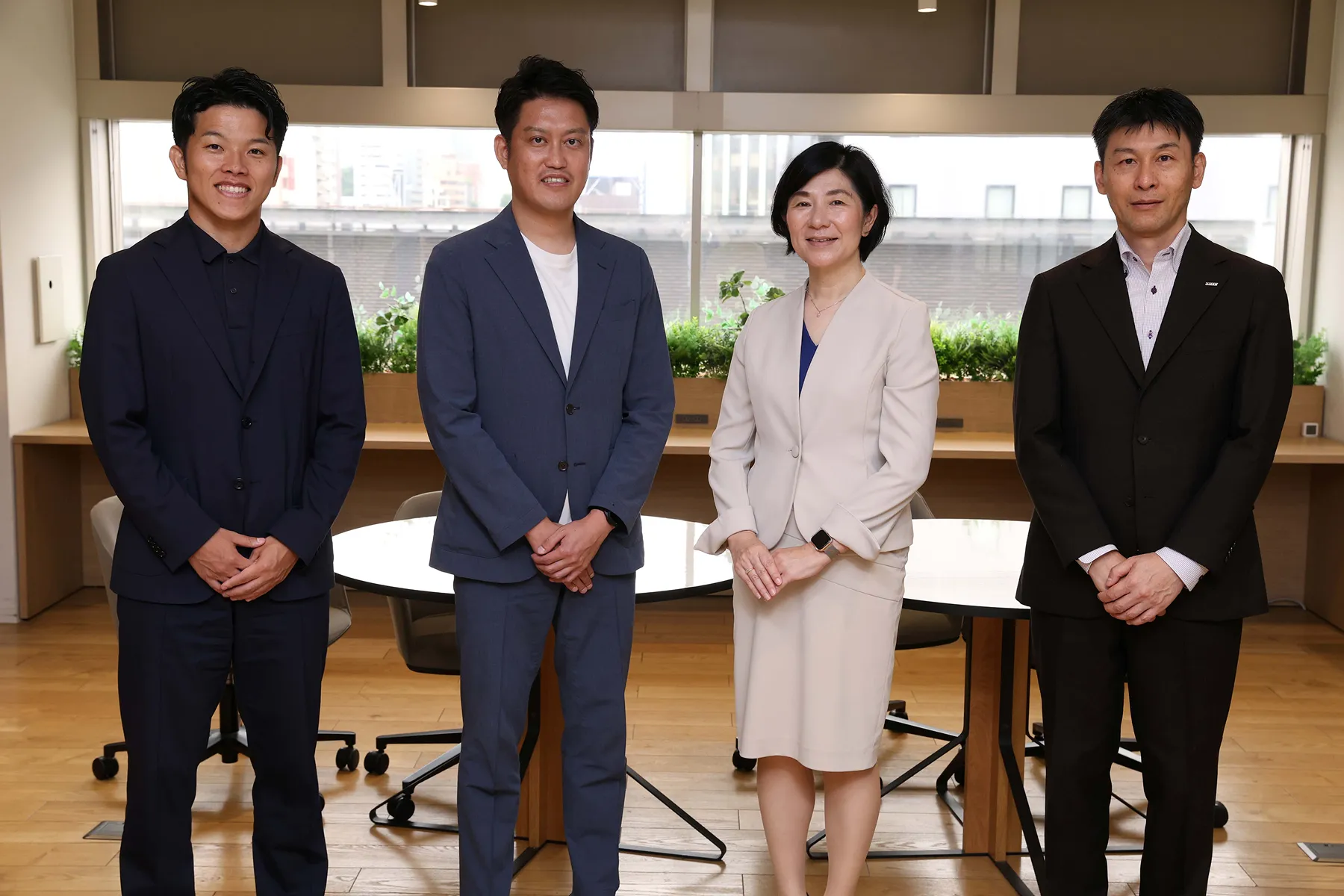
Creating New Corporate Value at MTC
Metal Technology Co. Ltd. (Nakano-ku, Tokyo), a company specializing in heat treatment and related processing technologies, serves a wide range of industries, including semiconductors, energy, aerospace, and others. Leveraging its strength in high-mix, low-volume manufacturing, the company has expanded its production network across Japan. However, its rapid growth also brought challenges, including organizational development and insufficient collaboration among its plants.
In 2023, Metal Technology established the “Strategy Management Division”, responsible for company-wide strategic initiatives, to address these issues and drive further growth. How has the organization tackled these challenges and advanced its transformation? Executives from ourly Inc. (Shinagawa-ku, Tokyo), which provides MTC with a web-based internal communications platform, sat down with the company's leaders to discuss their efforts and vision for the future.
Discussion Members
(From right to left)・Tsuyoshi Uno
Board Member, General Manager, Technical Development Division, MTC
・Miho Norinaga
Board Member, General Manager, Strategy Management Division, MTC
・Ryosuke Sakamoto
Company CEO (Chief Executive Officer), ourly Inc.
・Shinpei Takahashi
Company COO (Chief Operating Officer), ourly Inc.
Recognizing the Importance of Cross-Organizational Collaboration
Sakamoto: We support many manufacturing companies, but it is still relatively uncommon to see a company establish a dedicated division focused on organizational development. How did you view the importance of organizational development?
Norinaga: As our company grew rapidly, organizational development was inevitably put off. We had built our business as a technology-driven company, but we also had concerns about whether we could continue to grow by relying solely on the technologies we had developed over the years. Although we recognized the need to improve communication and evolve as an organization, we were constantly occupied with day-to-day operations. In 2023, when our current President, Hideo Hatanaka, assumed leadership of the company, we established the Strategy Management Division to focus on “important but not urgent” initiatives. Through this, we sent a clear message that MTC was committed to driving growth as an organization.
Uno: MTC's core business is contract processing centered on heat treatment technologies. We have expanded by establishing plants close to our customers across Japan and undertaking specific stages of their manufacturing processes. Because each plant operated with a high degree of independence and was responsible for its own profitability, collaboration across locations had not been particularly strong. While healthy competition among plants contributed to our growth, I felt that in today's rapidly changing business environment, strengthening cross-organizational collaboration was essential to enhancing our overall competitiveness.
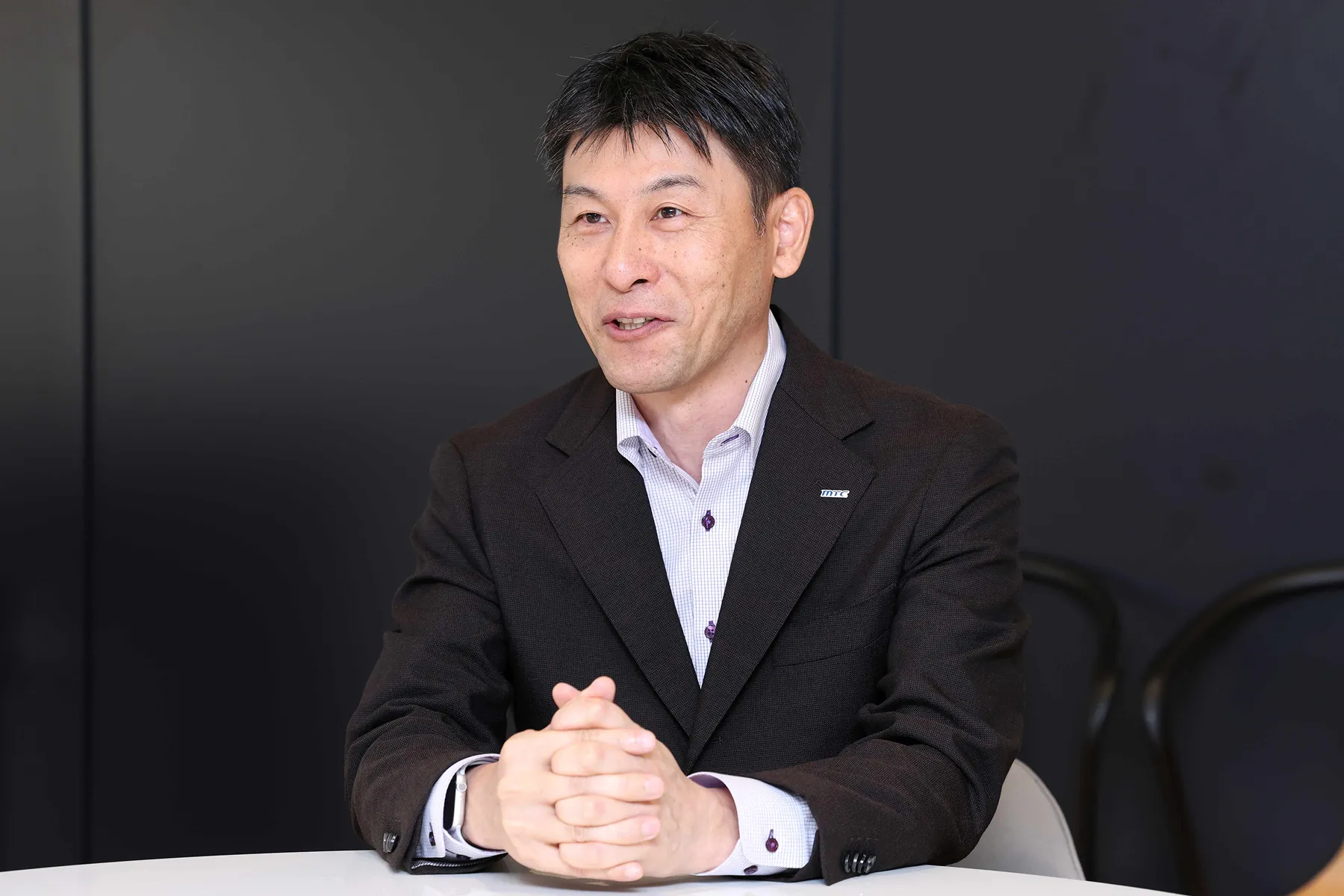
Tsuyoshi Uno
Board Member and General Manager, Technical Development Division, MTC
Communication Challenges Uncovered Through a Leadership Retreat
Takahashi: Since each plant operates independently, and MTC's facilities are geographically dispersed, I imagine the organization could easily become siloed unless there was a deliberate effort to encourage cross-functional communication. How did you go about establishing the Strategy Management Division?
Norinaga: We brought together executives and senior managers at the department level and above for a three-day, two-night leadership retreat. I intended it as an icebreaker to encourage everyone to write down current challenges, which end up bringing out one issue after another. When we organized them by timeline and level of difficulty, most challenges were related to human resource development; in the short term, there is a shortage of personnel, and in the long term, there is a lack of candidates to develop into managerial roles.
As our discussions continued, we gradually built a shared understanding that “The source of competitiveness lies in people." And that "We cannot continue to grow unless we establish a system for developing talent." The retreat also provided a valuable opportunity to learn about challenges at other plants, since there had previously been very few occasions for plants to share issues with one another.
Sakamoto: Many organizations vaguely sense that people are the source of competitiveness, but the key was likely to get all executives to share their views and reach a common understanding through the executive retreat. Based on those findings, what actions did you take?
Norinaga: The retreat highlighted two key challenges: nurturing people and revitalizing communication. To build cross-functional connections, we decided to actively utilize “ourly”, a web-based internal newsletter system provided by ourly Inc., as a tool to revitalize communication. Before that, MTC had already been publishing a printed internal newsletter. We are recruiting editorial staff members from each plant to create articles, but because it takes a lot of time and effort, there was a move to shift to a web-based format. Therefore, while leveraging this editorial committee system, we planned to revitalize communication between plants through articles published in the web-based internal newsletter. In our editorial meetings, the members brainstorm ways to improve the viewership rate themselves and continue to make ongoing improvements.
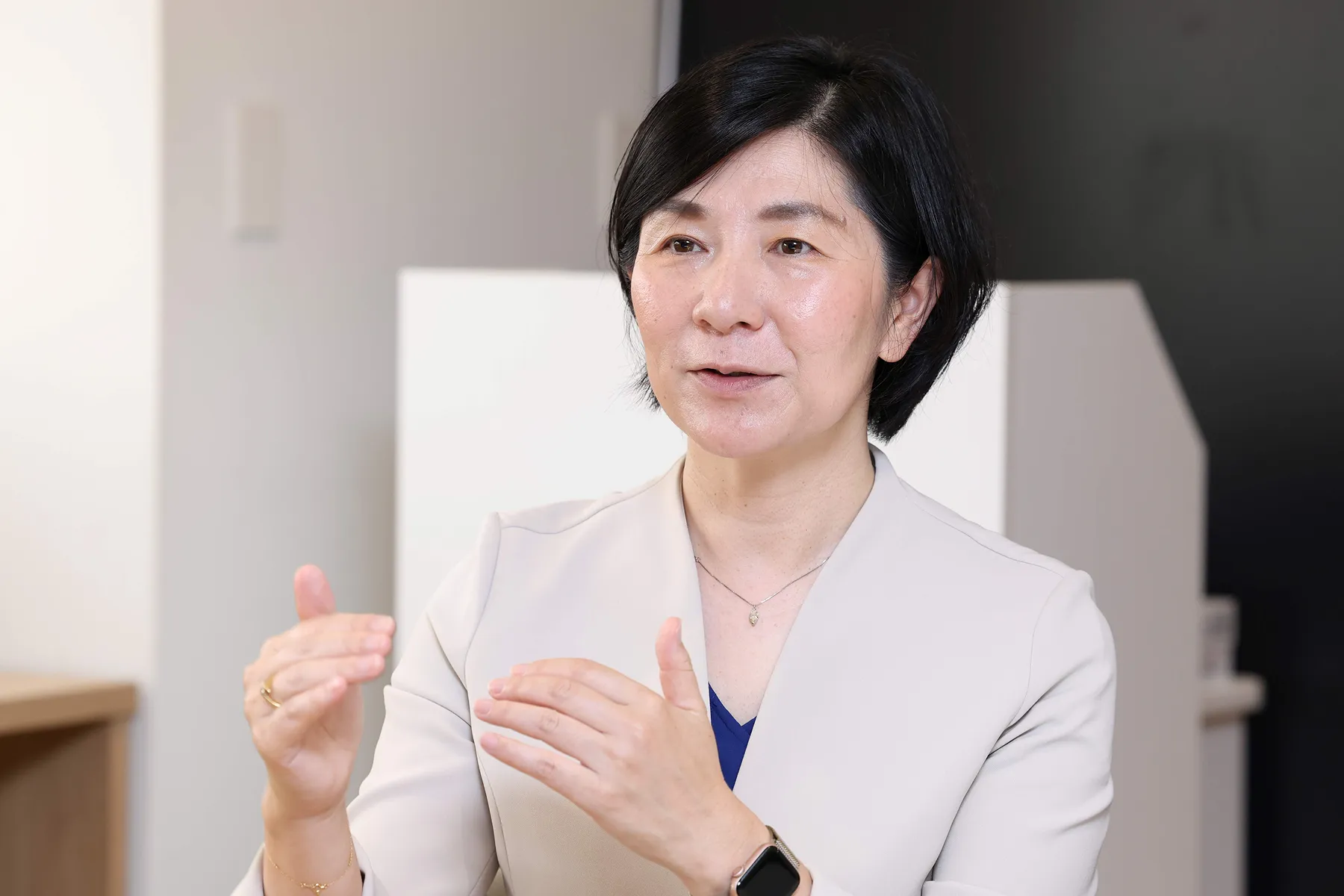
Miho Norinaga
Board Member and General Manager, Strategy Management Division, MTC
Takahashi: I understand that your company introduced not only ourly but also the CRM system 'Salesforce' and the communication tool 'Slack' at almost the same time. While it seems quite rare to implement three IT tools simultaneously, how did you manage to proceed with it?
Norinaga: We gathered young sales representatives from each plant and, in collaboration with the IT department, launched a Salesforce implementation project. Our goal was to visualize sales activities and share insights between plants to enhance our sales capabilities as an organization. By making sales-related communication open, managers and other departments began offering advice. Members themselves started realizing the benefits of 'lateral collaboration,' which had not been possible through our previous email communications. Interestingly, we noticed a correlation between the utilization of the internal newsletter 'ourly' and Salesforce. We felt that the internal newsletter created a culture of information sharing, potentially boosting operational collaboration and DX promotion.
Uno: A year after the launch of 'ourly,' I assumed the role of editor-in-chief. Reviewing the data, I found that while login rates were growing rapidly, engagement metrics like reaction and comment rates had plateaued. To address this, the editorial committee took the initiative to brainstorm ideas and design ways to encourage more user interaction. Thanks to their efforts, a culture of commenting on articles from other plants has taken root, significantly driving cross-plant communication.
Takahashi: Looking at how you introduced your internal newsletter, I feel your company is exceptionally skilled at getting executives on board. While internal newsletters often become a side project rather than a core business task, the genuine commitment from executives allows younger employees to participate with peace of mind. I believe the key to your success was that the executives thoroughly discussed the purpose of introducing the tool before moving forward.
Visualizing data creates a positive chain reaction across the organization.
Sakamoto: What kind of results did you get by setting up the Strategy Management Division?
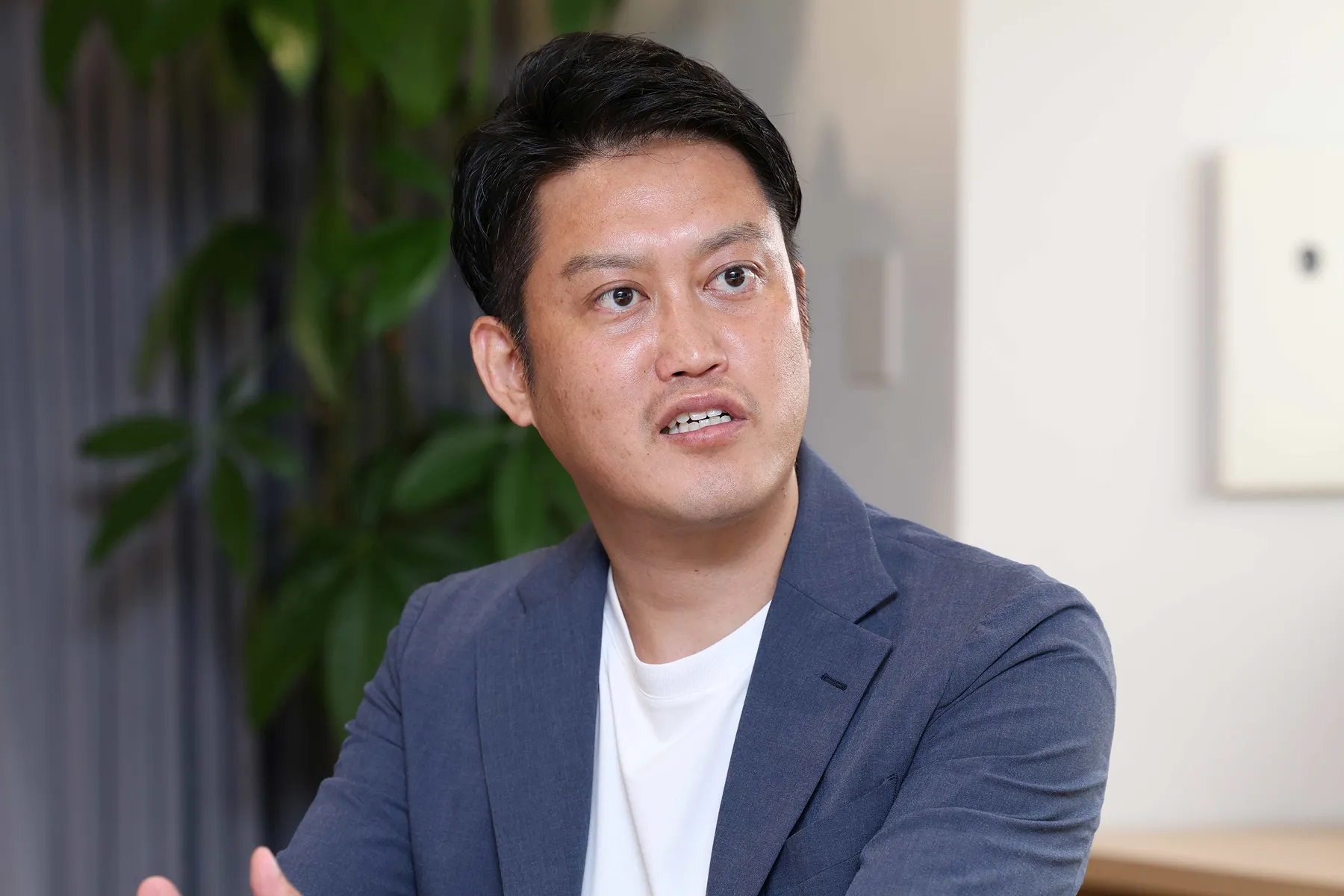
Ryosuke Sakamoto
Company CEO, ourly Inc.
Uno: Slack has really driven our cross-functional collaboration, and people are communicating with each other much more now. As a result, I feel our win rate for new deals has gone up. Now that we can seek advice beyond the boundaries of our own plants, we're seeing great teamwork where someone will say, 'Oh, for a project like this, we can leverage the experience and track record of that plant'
Takahashi: It’s wonderful to hear how success stories and operational know-how are now being shared across teams. At the same time, sharing negative information—like failures or issues—is also crucial for any organization. Have you seen any positive effects on that front as well?
Uno: For example, if a machine broke down at a plant, that information used to be buried somewhere, and you had to go looking for it. Accident reports also took time to come up, which often delayed our response. But now, we share everything on the web bulletin board instantly, making information sharing incredibly fast. When equipment breaks down, it directly impacts specific clients and our other plants. So, the fact that our sales team can react immediately is a huge advantage.
Sakamoto: This is something you see everywhere, not just in the manufacturing industry, but we often see cases where companies just decide where to store information and then neglect the actual operation. The know-how or incident reports are stored, but they're buried deep inside the intranet, and nobody looks at them... Information only brings value when it’s placed where people can easily find and handle it. So, by setting up these IT tools, the necessary information is now properly reaching your employees. I also heard that this revitalized communication has led to great results in your recruitment efforts as well?
Norinaga: For example, when a plant takes the lead in improving their internship program and we get feedback from a student saying, 'The atmosphere was so great that I decided to join the company,' that story gets shared on our internal newsletter. Once other factories see what's happening, it creates a ripple effect where people start saying, ‘Hey, let’s do that at our place, too!’.
Empowering Employees to Think Autonomously
Takahashi: As the workforce continues to shrink and the use of AI becomes fully integrated into business, could you share your outlook for the future of your company?
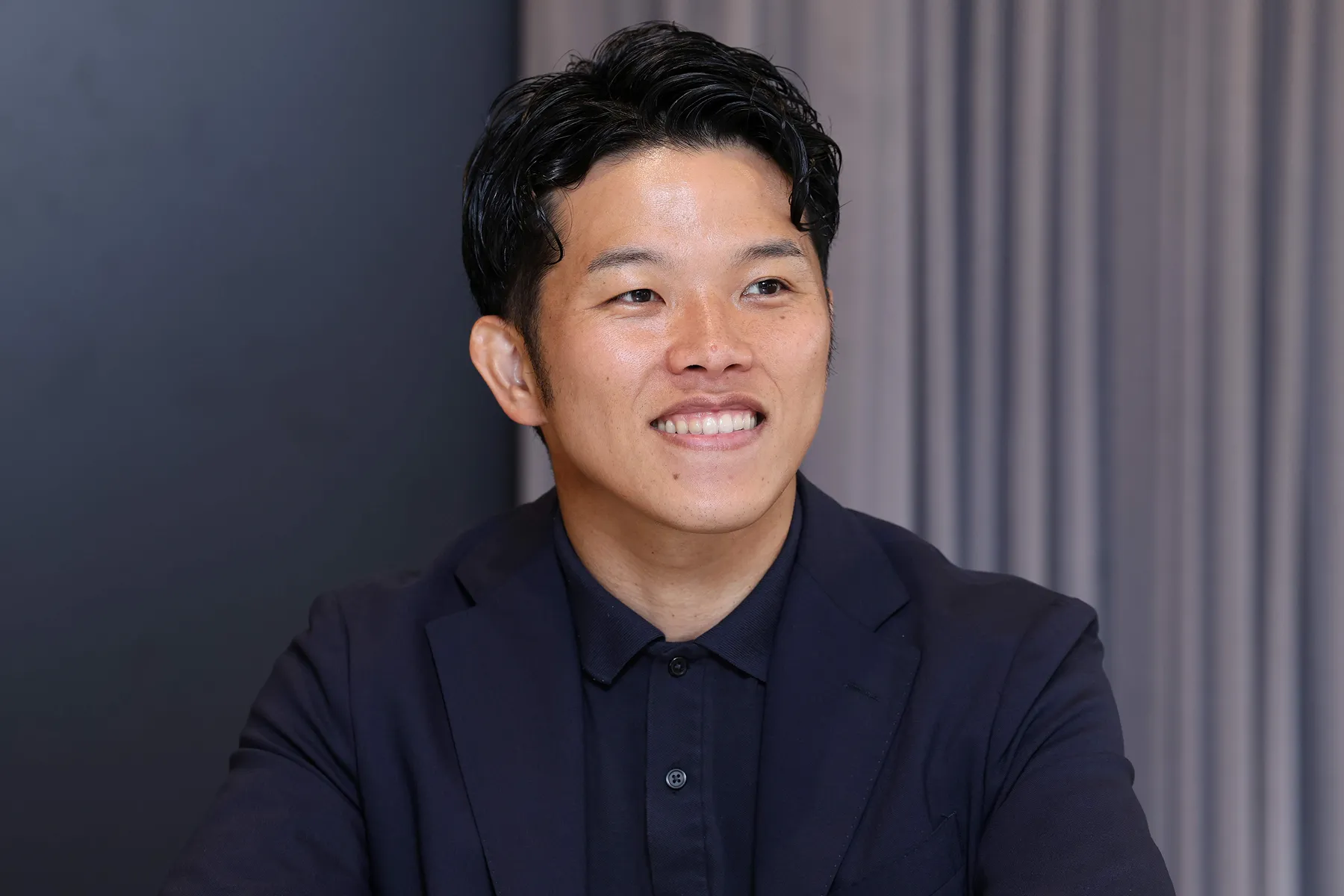
Shinpei Takahashi
Company COO, ourly Inc.
Norinaga: Precisely because we are in an era where the workforce won't just increase, I believe it's vital to maximize our employees' potential and become a company where people truly want to work for a long time. We even changed our evaluation system to focus on development, and my goal is to create a structure where the PDCA cycle for growth turns completely natural.
Another key aspect is that sharing information accelerates the speed at which everyone levels up their knowledge. Technology is constantly advancing and expanding, so it doesn't mean much if only a few specific people understand it. It's all about knowledge sharing. By building communication among the people who have that expertise, our collective insights will naturally become even more sophisticated. In that sense, as the Strategy Management Division, I want to support information sharing and truly instill the mindset that when the organization improves, our technology improves along with it.
Sakamoto: What are your expectations for the employees moving forward?
Norinaga: Our president, Mr. Hatanaka, states on our corporate website that one of the goals for the Strategy Management Division is to ‘create an environment where employees spontaneously think about what they can do for our customers.' And that’s exactly the kind of company I want us to be. One where employees think autonomously. For example, with the Salesforce project, the members who used to only talk about how easy the system was to use started questioning whether our sales capabilities were improving. Now, they are proactively discussing what our sales approach should really look like. I truly believe that if we can increase the number of people who think like that, even by just one person, our productivity will naturally rise, and focusing on nurturing such talent is what matters most.
Uno: I believe AI will be the next general-purpose technology. Just as the internet becomes a given, AI will become a given too. That’s exactly why we need to nurture talents who can think for themselves about how to integrate AI into their workflows and drive results. People who communicate proactively are already thinking and acting on their own. Compared to large corporations, MTC's strength is an environment where you can do whatever you want if you just say the word. For autonomous people, I think this is an incredibly exciting place to be. With this kind of environment, individuals can truly grow their capabilities and if each and every one of us starts to think autonomously, we will build a much stronger company.
MTC Website https://www.kinzoku.co.jp/en.html
ourly Inc. Website https://ourly.co.jp/ (Japanese Only)